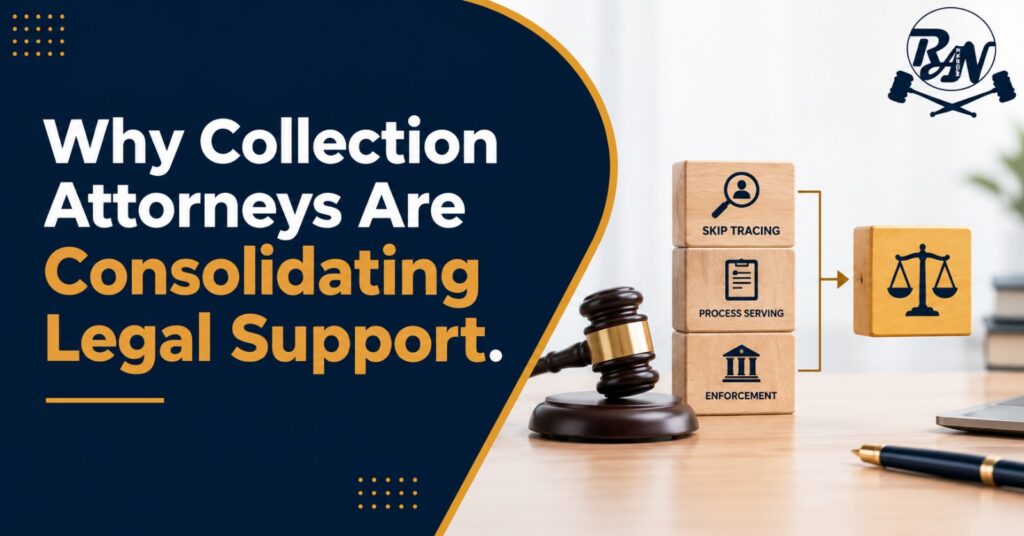
Asset Location Services: How Attorneys Find Hidden Debtor Assets in California
You won. You’ve got the judgment in hand. And the debtor still hasn’t paid you a dime. Welcome to the part of litigation nobody talks about in law school. Getting the judgment is step one. Collecting on it is a different fight entirely, and it’s the one most attorneys are least prepared for. Here’s the number that should bother you: almost 80% of all judgments are never recovered. It’s not always because the debtor has nothing. Sometimes it’s because the assets aren’t obvious from a basic records search. This is what asset location services (sometimes called asset locator services) actually do, and how the process works if you’re representing a judgment creditor in California. Why Debtors Disappear on Paper Some debtors aren’t judgment-proof. They’re just harder to trace than their financial situation suggests. Common situations investigators encounter: Here’s the rookie mistake. An attorney runs a basic public records search, finds nothing obvious, and tells the client the debtor is judgment-proof. That’s giving up after checking one drawer. A real asset investigation digs into real property records, vehicle and vessel registrations, business filings, UCC records, and bank relationships. What a Real Asset Investigation Actually Digs Through This is the part most attorneys don’t have time for mid-litigation, and it’s where a dedicated investigator earns their fee. A thorough search to locate debtor property in California covers: None of this is exotic. It’s methodical. It just takes someone whose full job is running down every one of these leads instead of squeezing it in between hearings. Skip Tracing vs. Asset Location People mix these up constantly. They’re not the same job. Skip tracing finds the debtor. Current address, phone number, employer, wherever they’re actually living now instead of the address on the old judgment. Asset location finds what the debtor owns, once you already know who and where they are. You need skip tracing first when a debtor has gone quiet, stopped responding, or moved without leaving a forwarding address. You need asset location once you’ve got a live, locatable debtor and need to know what’s actually reachable. Some files need both, back to back, before you can even schedule a debtor exam. Skip tracing and asset location often run on the same case for exactly this reason. The Judgment Debtor Examination Is Your First Real Weapon This is where post-judgment discovery actually starts. If you take one tool away from this post, make it this one. Under California Code of Civil Procedure section 708.110, a judgment creditor can get a court order forcing the debtor to show up in person and answer questions under oath about everything they own. Bank accounts. Property. Income. Business interests. All of it, on the record. Most attorneys know the exam exists. Fewer know this part: the moment that order is personally served on the debtor, it automatically creates a one-year lien on the debtor’s personal property. No extra motion. No additional filing fee. Serve the order correctly, and the lien is already in place. And that word “correctly” matters. Personal service only. Mail doesn’t count. Handing it to the debtor’s attorney doesn’t count. Get this step wrong and you lose the lien along with the exam. When the Debtor Isn’t the Only One Who Knows Where the Money Is Sometimes the debtor genuinely doesn’t control the assets anymore. Or claims not to. That’s what CCP section 708.120 is for. It lets you pull a third party into court, anyone holding more than $250 of the debtor’s money or property, and examine them directly. Real scenario we run into often: a debtor insists he owns nothing. Turns out his LLC pays his mortgage directly and calls him an “independent contractor” instead of an employee. A third-party exam against that LLC exposes the arrangement fast. Subpoenaing the Paper Trail An examination without a subpoena is half a tool. Pair the debtor exam with a subpoena duces tecum under CCP section 708.030. Depending on what’s relevant to the case, that can mean tax returns, bank and brokerage statements, often going back two to three years. This is the paperwork that catches a debtor lying under oath, because the numbers either match or they don’t. Lock It Down Before They Move It Finding the asset is only half the job. Locking it down before the debtor liquidates or transfers it is the other half. Two moves that matter: Why the rush? Under federal bankruptcy law, a lien perfected too close to a bankruptcy filing can get clawed back and voided as a preferential transfer, generally if it lands within 90 days of the debtor filing and while the debtor was insolvent. Timing and the debtor’s financial condition both matter. If bankruptcy looks likely, that’s a call for the attorney to make fast, not something to sit on. What Skipping This Actually Costs You Judgment debtor exams take real time to set up properly. The order has to be personally served at least 30 days before the exam date, and personal service isn’t always instant, especially if the debtor is avoiding it. Skip a step, serve it wrong, or wait too long on the lien paperwork, and you’re not just delayed. You’re refiling motions while the debtor has extra weeks to move money around. The investigator’s fee is never the expensive part of this. The lost time is. This is the kind of investigative and enforcement-support work Ranworks handles for California attorneys and judgment creditors every day: locating debtors and their assets, supporting the judgment enforcement services side of a case, and helping attorneys move quickly once the information is in hand. When a debtor has already gone quiet and stopped responding to court paperwork altogether, that’s usually where skip tracing comes in first, locating the debtor before you can even schedule the exam. FAQs Bottom Line Chasing down a debtor’s assets isn’t something to handle between court appearances. Contact Ranworks and let us run the investigation while you and your team handle enforcement.
Asset Location Services: How Attorneys Find Hidden Debtor Assets in California Read More »